Unesco description
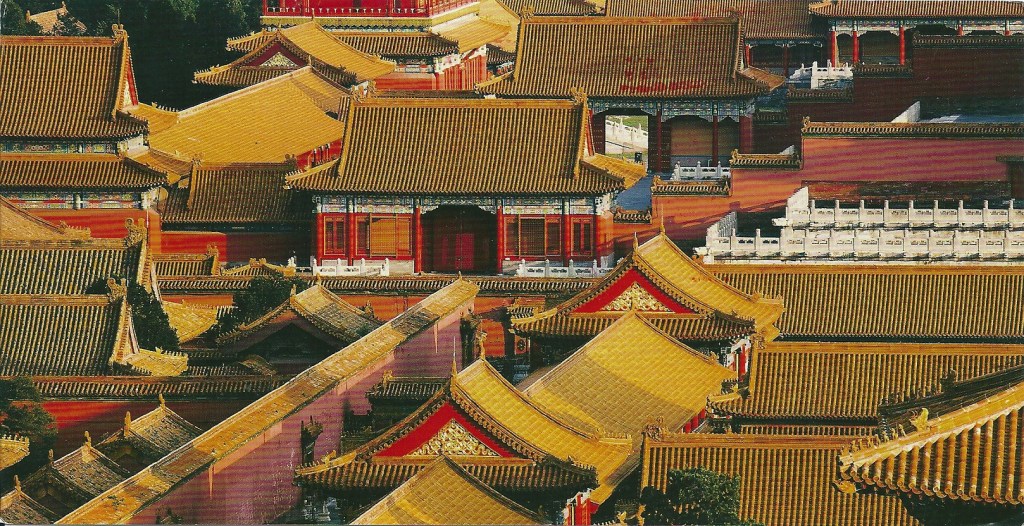
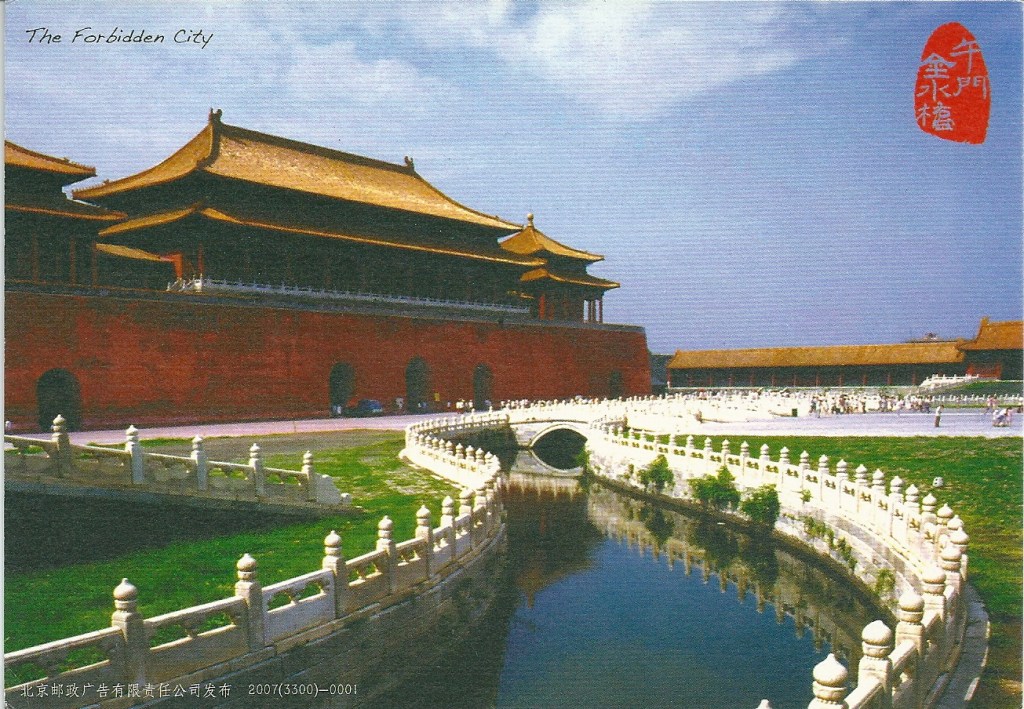
Seat of supreme power for over five centuries (1416-1911), the Forbidden City in Beijing, with its landscaped gardens and many buildings (whose nearly 10,000 rooms contain furniture and works of art), constitutes a priceless testimony to Chinese civilization during the Ming and Qing dynasties. The Imperial Palace of the Qing Dynasty in Shenyang consists of 114 buildings constructed between 1625–26 and 1783. It contains an important library and testifies to the foundation of the last dynasty that ruled China, before it expanded its power to the centre of the country and moved the capital to Beijing. This palace then became auxiliary to the Imperial Palace in Beijing. This remarkable architectural edifice offers important historical testimony to the history of the Qing Dynasty and to the cultural traditions of the Manchu and other tribes in the north of China.
Received through Postcrossing on 25.03.2011
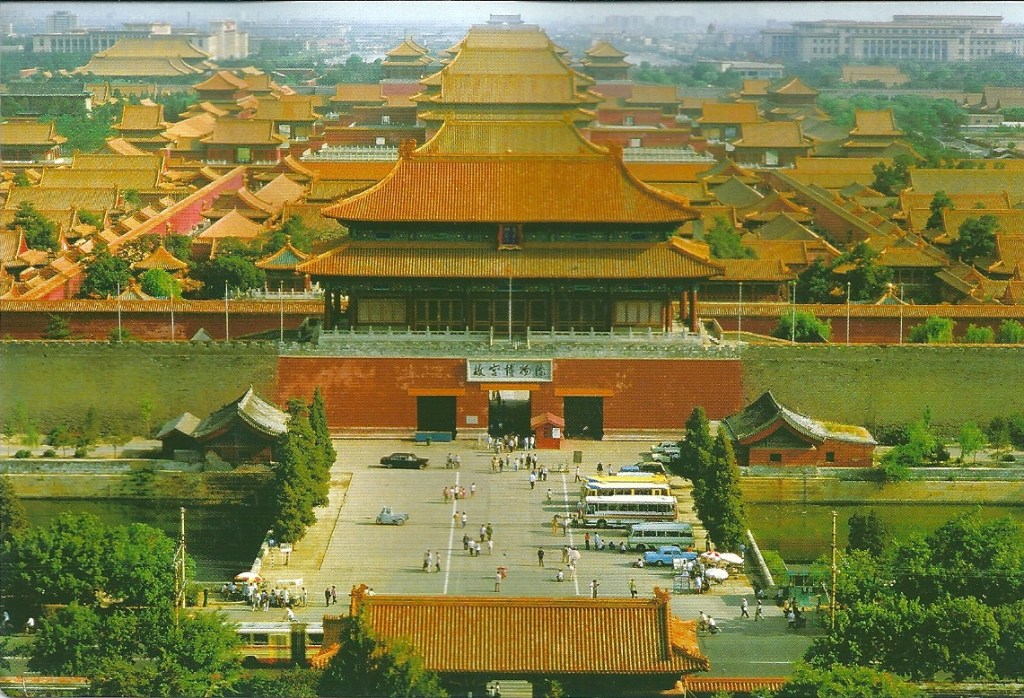
Gate of Military Prowess
The Gate of Military Prowess is one of the back gates to the Forbidden City
Received through a private swap on 01.01.2012
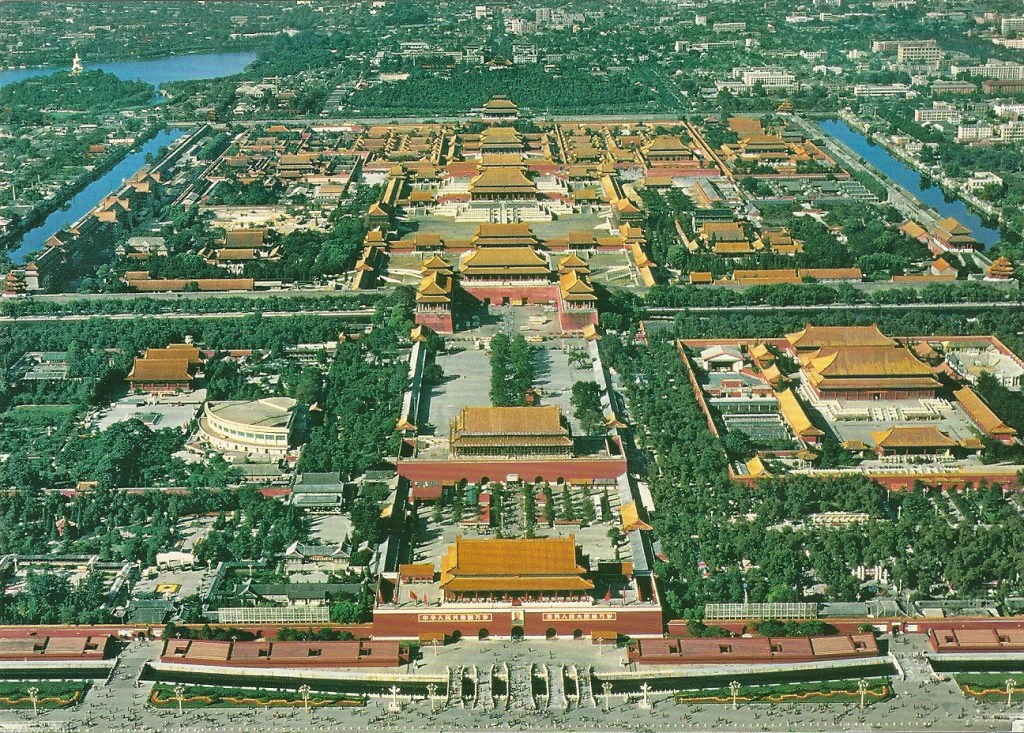
The name ¨Forbidden city¨ is a translation of the Chinese name Zijin Cheng (literally Purple Forbidden City). Zi, or purple, refers to the North Star, which in China was called the Ziwei Star and in traditonal Chinese astrology was the heavenly home of the Celestial Emperor. Jin, or Forbidden, referred to the fact that no one could enter the city without the permission of the Emperor. Cheng means walled city.
The Forbidden City is a rectangle, measuring 961 meters from north to south and 753 meters from east to west. The Forbidden City was designed to be the center of the ancient walled city of Beijing.
Received through Postcrossing on 29.11.2011
Received through Postcrossing on 29.08.2014
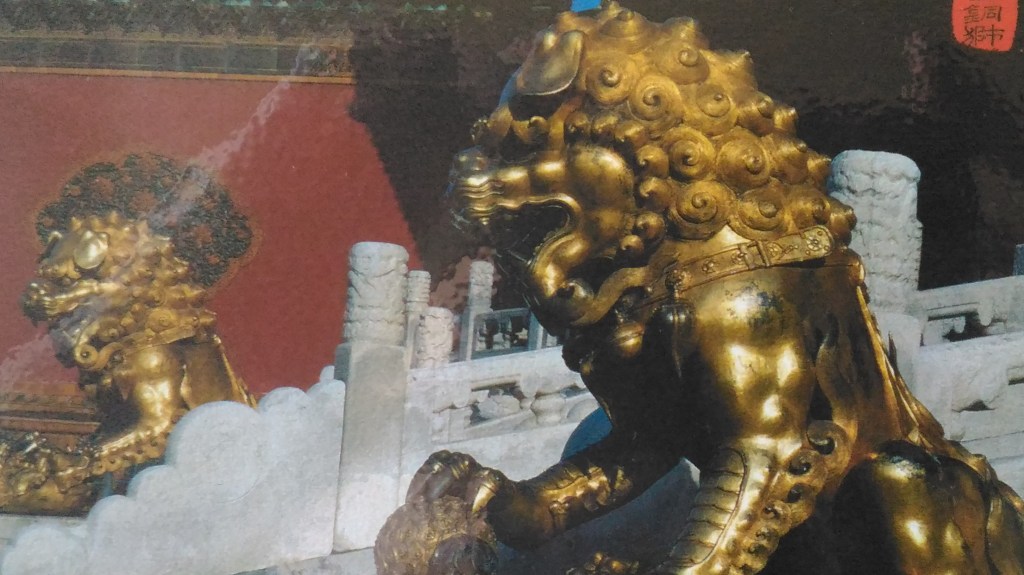
Received through Postcrossing on 30.03.2014
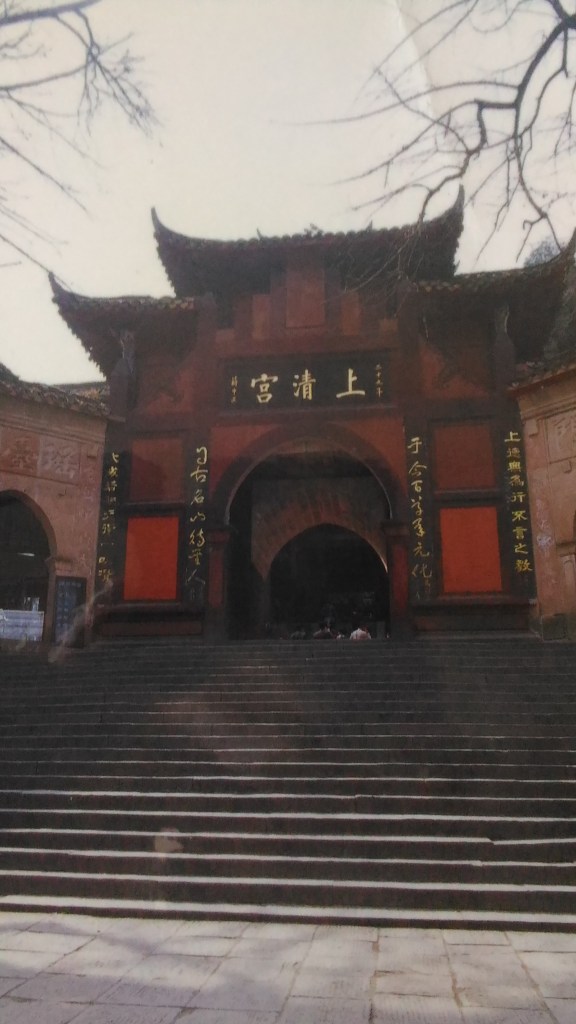
Received through Postcrossing on 27.07.2014
 Unesco Postcards