Unesco description
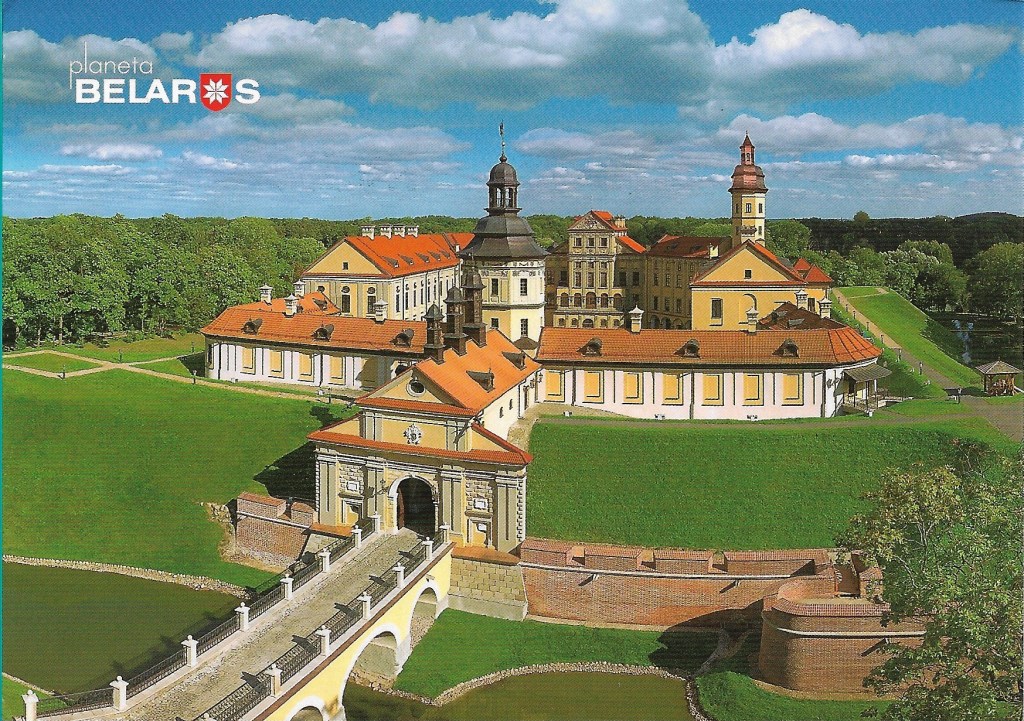
The Architectural, Residential and Cultural Complex of the Radziwill Family at Nesvizh is located in central Belarus. The Radziwill dynasty, who built and kept the ensemble from the 16th century until 1939, gave birth to some of the most important personalities in European history and culture. Due to their efforts, the town of Nesvizh came to exercise great influence in the sciences, arts, crafts and architecture. The complex consists of the residential castle and the mausoleum Church of Corpus Christi with their setting. The castle has ten interconnected buildings, which developed as an architectural whole around a six-sided courtyard. The palaces and church became important prototypes marking the development of architecture throughout Central Europe and Russia.
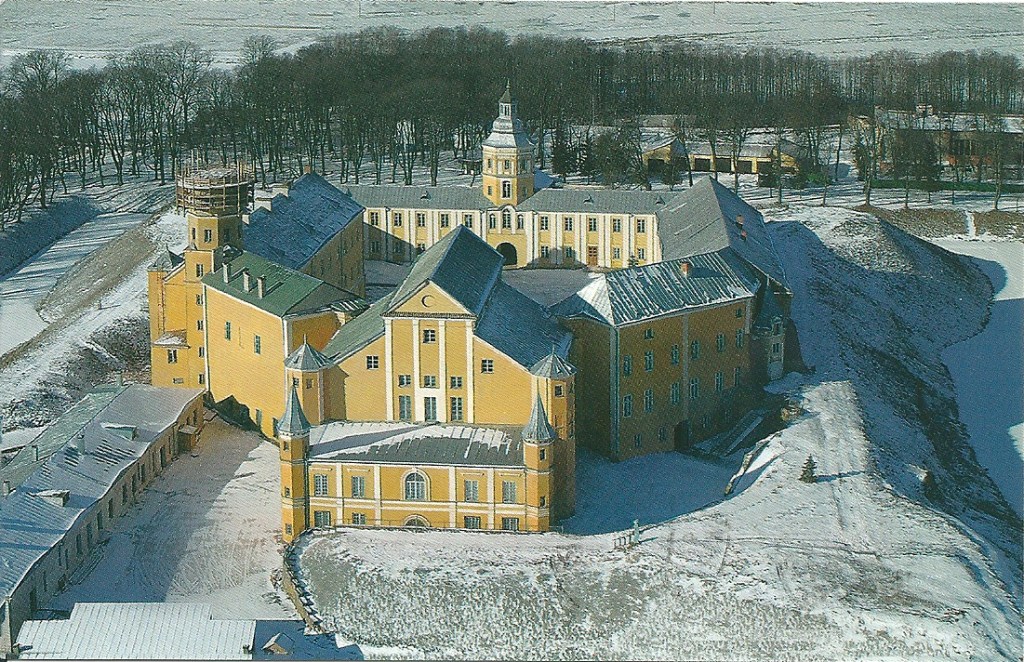
Received through Postcrossing on 15.01.2012
The Architectural, Residential and Cultural Complex of the Radziwill Family at Nesvizh is located in central Belarus. The Radziwill dynasty, who built and kept the ensemble from the 16th century until 1939, gave birth to some of the most important personalities in European history and culture. Due to their efforts, the town of Nesvizh came to exercise great influence in the sciences, arts, crafts and architecture. The complex consists of the residential castle and the mausoleum Church of Corpus Christi with their setting. The castle has ten interconnected buildings, which developed as an architectural whole around a six-sided courtyard. The palaces and church became important prototypes marking the development of architecture throughout Central Europe and Russia.
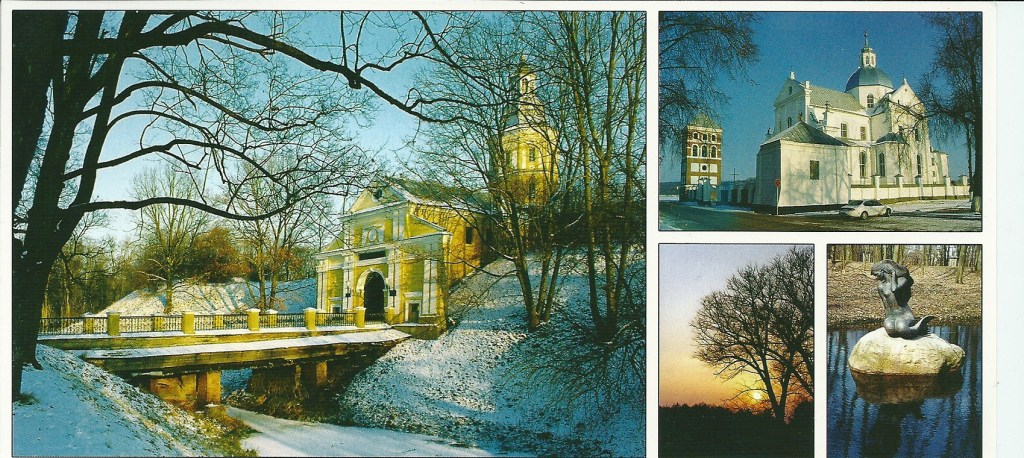
Received through Postcrossing on 23.02.2013
The Radziwill castle in Nesvizh
The roman-catholic church in Nesvizh
The garden complex in Nesvish
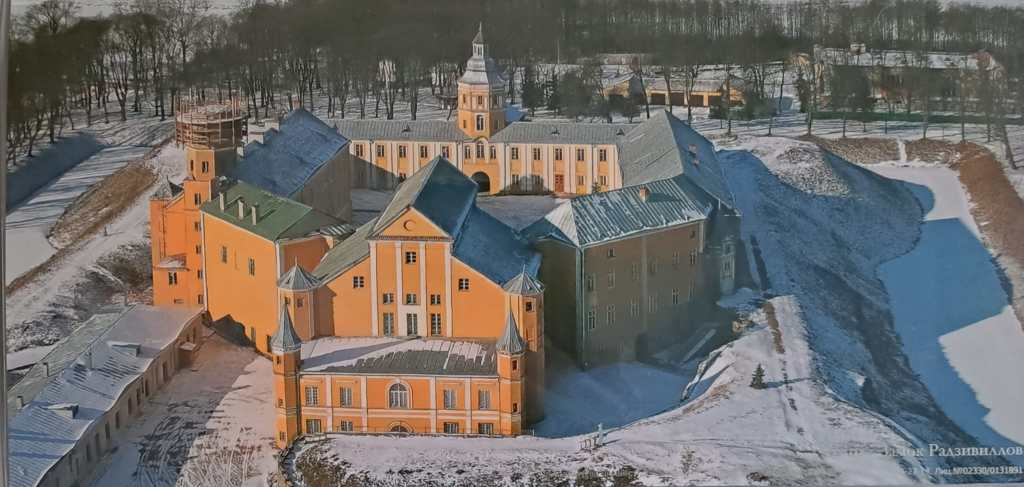
Received through Postcrossing on 02.06.2013
A view of the castle from the enclosed courts and the rampart. The family residence had an incredible 150 chambers at their disposal, all filled with collections of decorative and applied arts, oil paintingsm weapons and coin collections of immense value, an exceptionally rich library and the famous archive of the Radziwills. All staterooms had unique refined settings and no two rooms were the same.
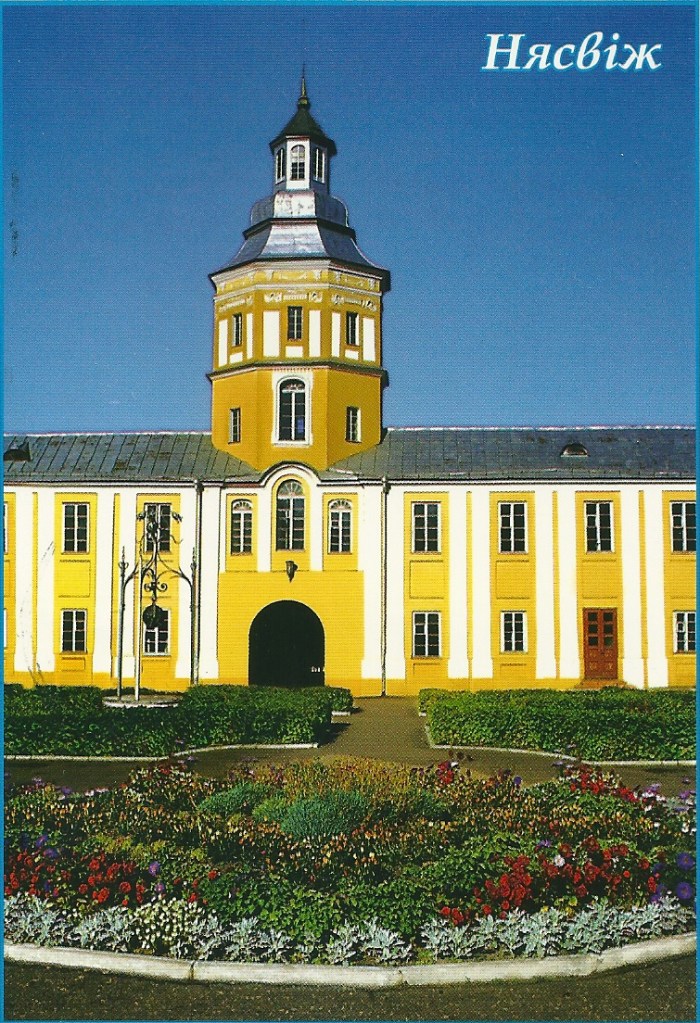
Received through Postcrossing on 26.05.2011
In 1770 the castle was seized by Russian forces and the Radziwill family was expelled. Soon afterwards the archive was transferred to Saint Petersburg where it remains. The majority of the works of art were distributed among Russian nobles. Abandoned by both the original owners as well as the Russian army, the palace fell in disrepair. It was restored by the Radziwills and between 1881 and 1886 as well the interiors were renovated by them.
In 1939 the Radziwill family was expelled again, this time by the Red Army. In Soviet times it was used as a sanatorium while the park fell in neglect.
Received through Postcrossing on 20.08.2018
 Unesco Postcards